
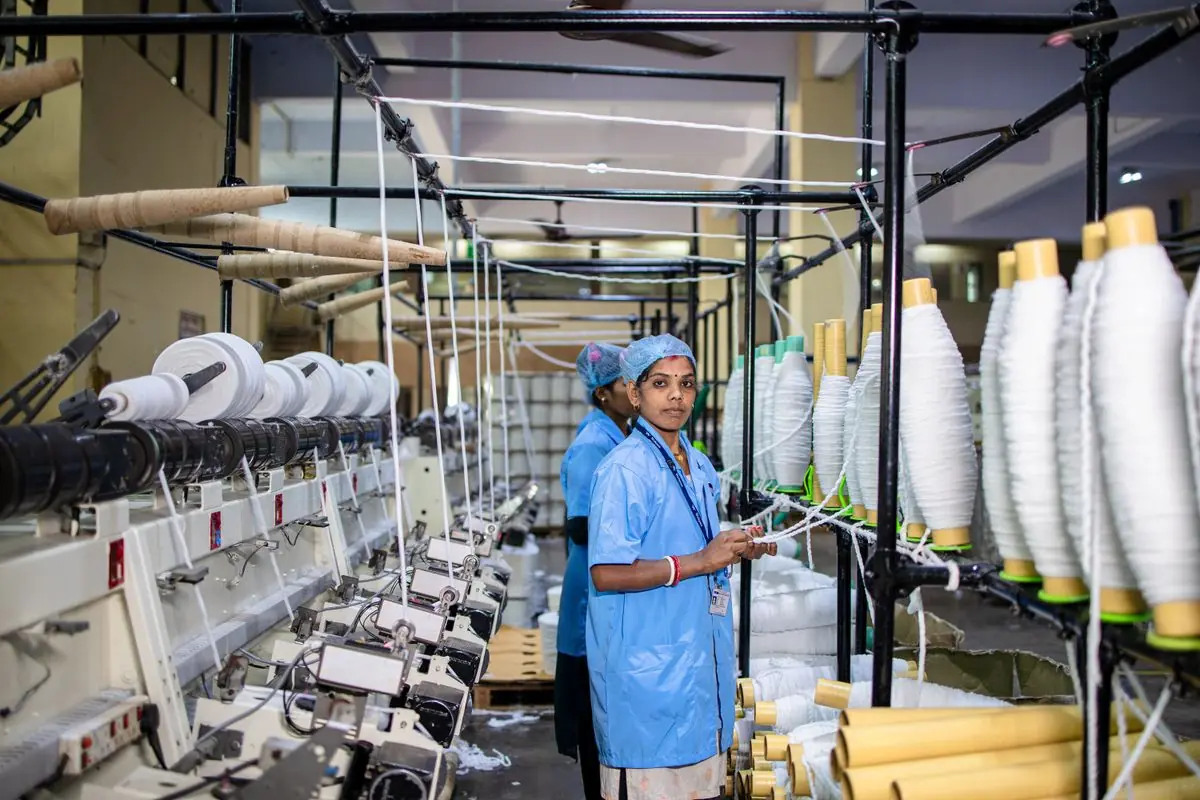
ERP & business systems
Procurement, inventory, production, operations, finance workflows, and reporting in a connected system.
We develop ERP, CRM, applications, dashboards, and connected business systems. The starting point is always your process, your people, and the problem you need to solve.

We help organizations replace disconnected work with a system that teams can understand, use, and develop over time.
Procurement, inventory, production, operations, finance workflows, and reporting in a connected system.

Applications designed around users, roles, devices, and the tasks people need to complete.
Workflow automation, analysis, and assistance selected for a clear business purpose.
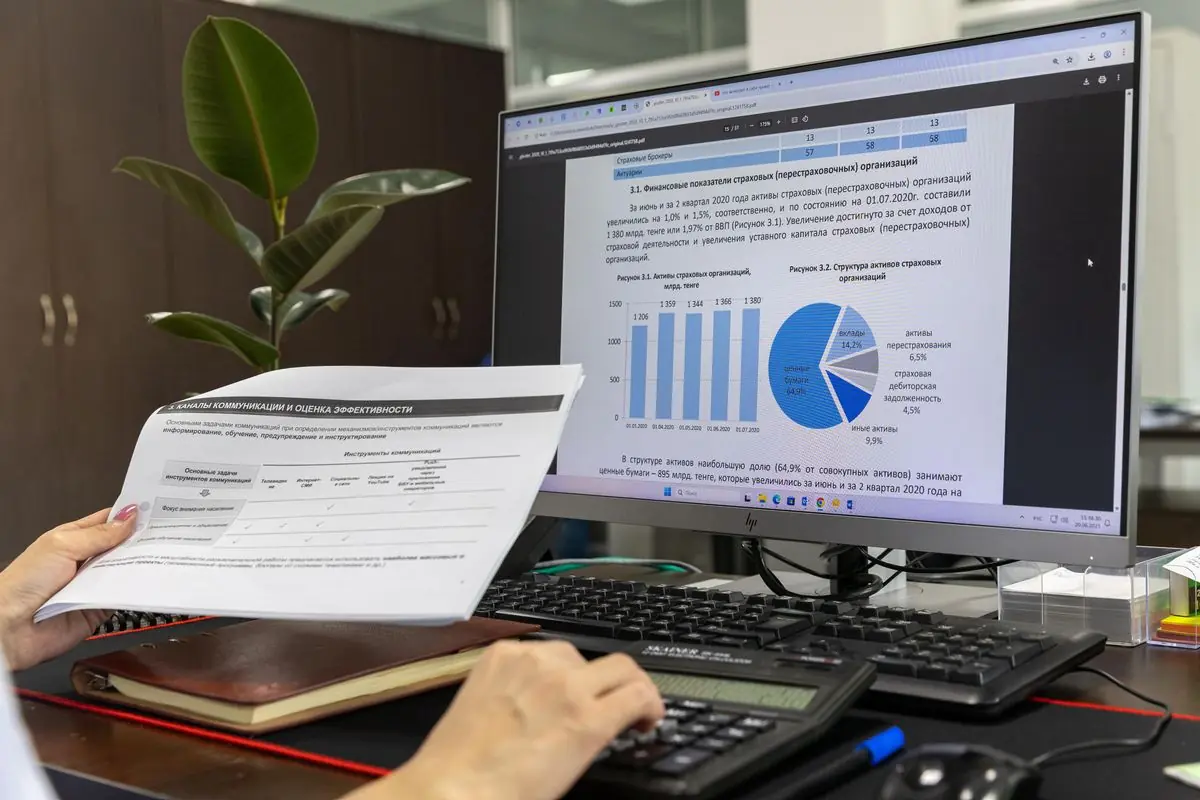
Bring operational information into a usable view for teams and decision-makers.
Connect supported hardware events with inventory, movement, and operational records.
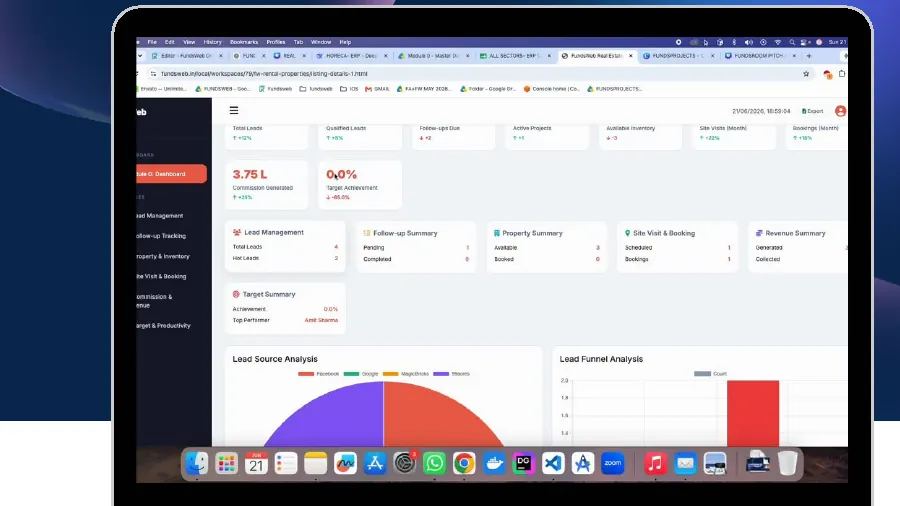
Link existing tools, external services, and internal systems with defined data flows.
Explore example modules. Each solution is scoped to the client’s requirements, integrations, and operating environment.
From individual plant records to connected farm operations.
Map tags to individual plants, batches, or stock groups; support scan history and controlled tag replacement.
Organize plant attributes, quantities, growth stages, bags, health, pricing, and saleable stock.
Coordinate work orders, care and maintenance, material requests, mortality, and branch activities.
Connect supported sensors and RFID devices, record movements, and surface current operational status.

Connect the journey from enquiry to learning and assessment.
Capture enquiries, organize follow-ups, coordinate admissions, and maintain student records.
Structure courses, content, enrolment, assignments, and learning progress.
Support assessment workflows, scheduling, question management, results, and role-based access.
Bring fees, communication, attendance, and reporting into connected processes.
Connect purchasing, stock, production, people, and dispatch.
Manage enquiries, supplier records, quotations, purchase orders, and inward material.
Track item masters, stock levels, movements, allocations, and material traceability.
Organize BOMs, work orders, labor assignments, production stages, and operational reporting.
Support identification, gate or movement events, dispatch, delivery status, and external integrations.
Software for clearer financial and customer operations.
Customer operations, service requests, approvals, documents, and internal reporting.
Organize leads, policy-related records, renewals, follow-ups, and servicing processes.
Build supported data views, research workflows, portfolio records, and reporting integrations.
Connect income, expense, reconciliation, audit trails, and management reports.
You see the direction before the system is built, and you stay involved through the stages.
Listen to users, map current work, and identify the areas creating delay or confusion.
Discovery and process mapDocument the requirements, roles, modules, boundaries, and acceptance criteria in a BRD / PRD.
Reviewable scopeShow the proposed flow early. Let stakeholders explore it and explain what needs to change.
Demo and feedbackChoose the application structure, data model, integrations, and technology that fit the work.
Technical approachBuild related modules, review progress, integrate systems, and test each useful increment.
Staged implementationComplete UAT, deploy, explain the system, and agree the support and improvement path.
Handover and support plan
We focus on essential work, understandable interfaces, and useful visibility. Features should fit a workflow and make the next action easier.
A toolkit for interfaces, applications, data, integrations, and delivery. The final stack is selected around the requirements of each engagement.
 ReactFrontend
 JavaScriptFrontend
 TypeScriptFrontend
 HTML5Frontend
 CSS3Frontend
 FlutterMobile
 KotlinMobile
 JavaBackend
 Node.jsBackend
 ExpressBackend
 PythonBackend
 PostgreSQLData
 RedisData
 DockerCloud
 NginxCloud
 Amazon Web ServicesCloud
 GitCloud
 FigmaDesign
The integration scope, data permissions, vendor capabilities, and operating costs are confirmed for each project.
Agriculture, education, manufacturing, and finance have different operating needs. These organizations provide familiar examples of that wider landscape.
Industry references only. These organizations are not presented as Fundsroom clients or partners.
Illustrative testimonial copy for design review. These are sample statements, not attributed customer reviews.
“A clear view of procurement, production, and stock makes everyday work easier.”
“A system built around plant records and movement helps teams stay aligned.”
“Connected admissions and learning workflows reduce repetitive coordination.”
“Clear reports and well-organized records make reviews easier to manage.”
“Simple controls help us spend more time on our business.”
“A working demo makes it easier to explain what we need.”
Start with essential processes, measure how they work, and extend the system through agreed phases.
Agree the tasks, reports, and acceptance criteria that matter to the project.
Use connected data and well-defined modules so future work has a sensible starting point.
Assess usage, bottlenecks, and new needs before deciding the next scope.
We’ll begin with your process, the problem, and the people using the solution.